Crayons Frame Monogram Letter W: A Practical Guide to Elevating Your Embroidery Projects
There is a distinct joy in transforming plain fabric into something personal and vibrant. When you look for a design that bridges the gap between playful creativity and structured elegance, the Crayons Frame Monogram Letter W stands out as a compelling choice. This specific machine embroidery design captures the whimsical energy of childhood coloring books while maintaining the sophistication required for adult apparel and home decor. However, like any digital asset, the final result depends less on the file itself and more on how you prepare, execute, and finish the project. Understanding the nuances of this design can mean the difference between a charming accent piece and a frustrating pile of tangled thread.
Understanding the Design's Potential and Purpose
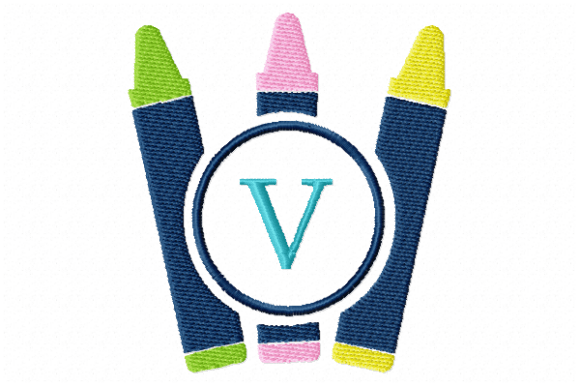
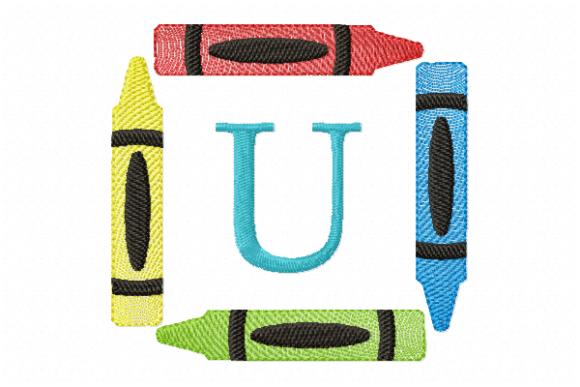
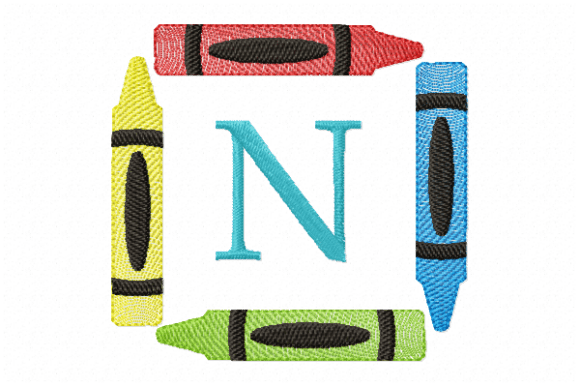
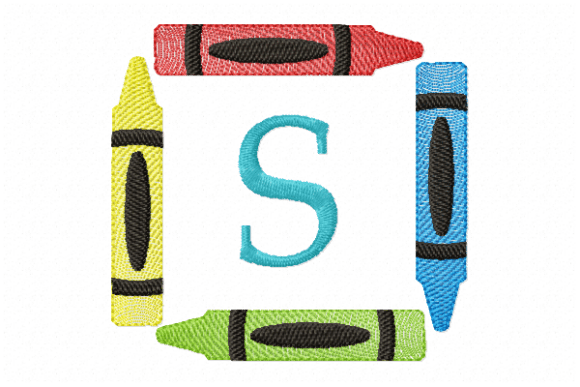
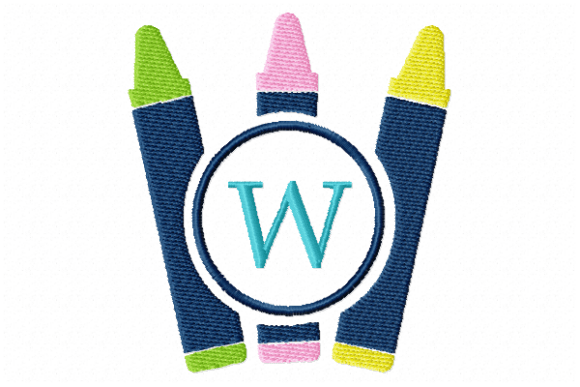
The Crayons Frame Monogram Letter W is not merely a letter; it is a complete composition. It features the initial "W" encased within a border that mimics the look of colorful crayons, creating a frame that adds depth and visual interest. This makes it an ideal candidate for personalizing items where a simple monogram might feel too stark or formal. Think of it as a way to inject personality into standard household goods. Whether you are stitching onto a child's t-shirt, adding a signature touch to kitchen towels, or creating unique wall hangings, the design serves as a focal point that draws the eye immediately.
For entrepreneurs and small business owners, this design offers versatility. It appeals to parents looking for custom gifts, teachers seeking classroom rewards, and hobbyists wanting to refresh their home textiles. The inclusion of multiple embroidery file formats ensures compatibility with a wide range of machines, from entry-level home units to professional industrial hoops. Yet, having the file is only the first step. The true value lies in executing the stitch correctly to preserve the integrity of the "crayon" aesthetic.
Common Pitfalls in Selecting and Preparing Fabric
One of the most frequent mistakes I see makers make is underestimating the importance of fabric stability. Because the Crayons Frame Monogram Letter W involves dense stitching around the perimeter and intricate details within the letter, it exerts significant tension on the material. If you attempt to stitch this directly onto a thin, stretchy jersey or a loosely woven linen without proper stabilization, the fabric will pucker, warp, or even tear during the process.
This oversight often leads to a finished product that looks distorted, with the "W" appearing crooked or the crayon frame losing its crisp edges. To avoid this, always select a stabilizer that matches the weight of your fabric. For t-shirts, a cut-away stabilizer provides the necessary long-term support to prevent the garment from warping after washing. For towels or heavier home decor items, a tear-away or water-soluble stabilizer might suffice, but test a small area first. Remember, the quality of your backing is just as critical as the quality of your thread.
Misunderstanding Hooping Techniques
Another area where results often suffer is hooping. Beginners frequently hoop the fabric too tightly, stretching it beyond its natural state. When the machine stitches the design, the fabric relaxes once unhooped, causing the design to shrink or ripple. Conversely, hooping too loosely allows the fabric to shift under the needle, leading to registration errors where the colors of the crayons do not align perfectly with the frame.
The corrective approach is to achieve a "drum-tight" tension—snug enough that there is no slack, but not so tight that the fabric fibers are visibly strained. If you are working with a large towel or a bulky item, consider using a floating method where you hoop only the stabilizer and baste the fabric over it. This technique significantly reduces stress on the material and ensures the Crayons Frame Monogram Letter W sits flat and true.
Evaluating File Formats and Machine Settings
While the design comes with multiple file formats, simply downloading the file does not guarantee success. A common misunderstanding is assuming that all formats work identically across different brands. If you download a .PES file for a Brother machine but try to run it on a Bernina without converting it properly, you risk skipping steps or misinterpreting jump stitches. Always verify that the file format matches your specific machine model before loading it.
Beyond the file type, thread tension and needle selection play a pivotal role. The "crayon" effect relies on solid blocks of color. If your machine tension is too loose, the underside of the stitching will show through the top, muddying the bright colors. If it is too tight, the thread may break or the fabric may distort. Use a sharp needle appropriate for your fabric weight—a universal needle for wovens and a ballpoint for knits—to ensure clean penetration without damaging the fibers.
- Check Thread Weight: Standard 40-weight polyester or rayon thread works best for this level of detail. Thicker threads can obscure the fine lines of the crayon tips.
- Test Stitch First: Never skip the test run on a scrap of the same fabric you intend to use. This reveals issues with density, tension, and stabilizer choice before you commit to your final project.
- Review Jump Stitches: Ensure your machine settings are configured to trim jump stitches if your design requires color changes. Untrimmed jumps can ruin the clean look of the monogram frame.
Strategic Placement and Project Planning
Where you place the design is just as important as how you stitch it. The Crayons Frame Monogram Letter W has a defined shape and size. Placing it too close to a seam, hem, or edge can cause the fabric to bunch up inside the hoop, leading to uneven stitching. Furthermore, on items like t-shirts, placing the design over a side seam is a recipe for disaster, as the seam allowance creates a ridge that prevents the needle from moving smoothly.
A better approach is to visualize the layout before hooping. Measure the design dimensions provided in the file information and mark the center point on your fabric with a washable marker. For towels, consider the fold; stitching near the folded edge can sometimes create bulk that makes the towel difficult to dry or store. For home decor pillows, ensure the design is centered on the panel before sewing the pillow together, rather than trying to embroider on a finished, stuffed cushion, which introduces too many variables regarding pressure and movement.
Maximizing Value and Longevity
Investing in a high-quality digital design like this one should yield a product that lasts. Poor execution shortens the lifespan of your creation. If the stabilizer is insufficient, the design may crack or lift after several washes. If the thread was low quality or the tension was off, colors may fade or fray prematurely. By taking the time to prep correctly, you ensure that the charm of the design remains intact through years of use.
For those selling these items, consistency is key to building a reputation. Customers expect the Crayons Frame Monogram Letter W to look exactly as advertised. Inconsistent placement, puckering, or messy trimming can lead to returns and negative reviews. Treat every project with the same rigorous preparation standards. Check your bobbin winding, clean your machine feed dogs, and ensure your workspace is free of lint. These small details compound to create a professional finish that distinguishes your work from mass-produced alternatives.
Final Thoughts on Execution
The Crayons Frame Monogram Letter W is a powerful tool for adding character to your textile projects, but it demands respect for the mechanics of embroidery. By avoiding the common traps of poor stabilization, incorrect hooping, and mismatched settings, you unlock the full potential of the design. Take the time to understand your materials and your machine. With careful planning and attention to detail, you can transform simple fabrics into cherished keepsakes that stand out for their quality and charm. Whether you are crafting for yourself or your business, the effort you put into the process will be reflected in the final stitch.