Building the Future: The Role of a Fitness Health Education School in Modern Wellness
In an era where health information is abundant yet often contradictory, the need for structured, authoritative guidance has never been more critical. This is where the concept of a Fitness Health Education School becomes paramount. These institutions are not merely places to learn how to lift weights or count calories; they are comprehensive hubs dedicated to shaping the next generation of wellness professionals. By integrating physical training with deep pedagogical strategies, these schools create a foundation for lifelong health literacy that extends far beyond the gym floor.
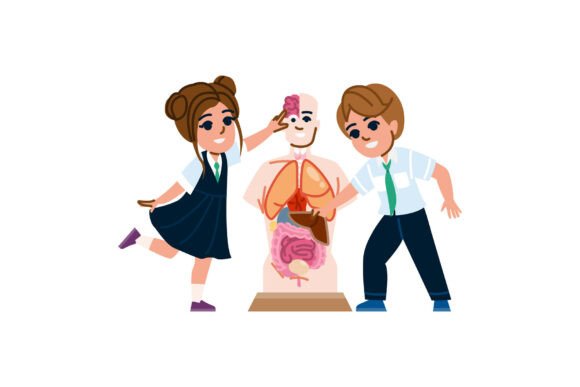
Imagine a visual representation of this environment: a vibrant, flat cartoon illustration depicting diverse people engaging in various activities. In one corner, a teacher demonstrates proper form while students watch intently; in another, a group practices mindfulness breathing exercises; elsewhere, hygiene protocols are being modeled with clear, simple icons. This imagery captures the essence of what a modern fitness education program looks like—a blend of action, learning, and community care. It moves away from the stereotypical image of intense, solitary grinding and embraces a holistic approach to human development.
The Core Philosophy: Beyond Physical Mechanics
At its heart, a Fitness Health Education School operates on the principle that true fitness is multifaceted. While physical strength and cardiovascular endurance are measurable metrics, they represent only a fraction of overall well-being. The curriculum within these schools is designed to cultivate a deeper understanding of the body-mind connection. This involves teaching future instructors how to guide clients through exercise mindfulness, ensuring that movement is intentional rather than mechanical.
Mindfulness in fitness is about presence. It teaches individuals to listen to their bodies, recognize signs of fatigue versus pain, and understand the emotional triggers behind sedentary behaviors or overtraining. When educators are trained in these principles, they can better support their clients in developing sustainable habits. Instead of pushing for short-term results that lead to burnout, they foster a relationship with exercise that is respectful and enduring. This shift in perspective is crucial for preventing injuries and promoting mental resilience.
Pedagogy and Literacy: The Art of Teaching Health
A significant differentiator between a casual workout enthusiast and a certified professional is pedagogy literacy. A Fitness Health Education School places a heavy emphasis on how knowledge is transferred. It is not enough to know the science of nutrition or biomechanics; one must also know how to communicate these complex concepts to people of varying ages, backgrounds, and abilities.
Effective pedagogy involves breaking down technical jargon into actionable advice. For instance, explaining the concept of "progressive overload" requires more than just defining the term. An educator trained in these schools learns to use analogies, visual aids, and interactive demonstrations to ensure comprehension. They understand that health literacy varies widely among the population. Some clients may struggle with basic terminology, while others seek advanced physiological data. The ability to adapt communication styles is a skill honed through rigorous academic and practical training.
This focus on teaching methodology ensures that when graduates enter the workforce, they are equipped to empower their clients. They become translators of health science, bridging the gap between clinical research and everyday application. This capability is essential in an age where misinformation spreads rapidly online. Professionals trained in a reputable institution serve as trusted sources of truth, guiding communities toward evidence-based practices.
Prevention and Hygiene: The Unsung Heroes of Fitness
One area that often receives less attention but is increasingly vital is the integration of prevention hygiene into fitness curricula. The global pandemic highlighted the importance of sanitation and disease prevention in shared spaces like gyms and studios. However, a Fitness Health Education School goes further by instilling a culture of proactive health maintenance.
This includes teaching students how to design programs that reduce injury risk through proper warm-ups, cool-downs, and technique correction. It also covers environmental hygiene—how to maintain equipment, manage ventilation, and educate clients on personal cleanliness. These practices are not just about following rules; they are about creating a safe environment where everyone feels secure enough to push their limits.
Furthermore, prevention extends to lifestyle factors. Educators learn to identify early warning signs of chronic conditions such as diabetes, hypertension, or joint issues. By recognizing these indicators, they can refer clients to medical professionals before minor issues escalate. This collaborative approach positions fitness professionals as key players in the broader healthcare ecosystem, contributing to public health outcomes on a macro level.
Cultivating Character Through Discipline and Empathy
Beyond the technical skills, a defining characteristic of a top-tier Fitness Health Education School is its focus on character development. The journey of becoming a fitness professional is demanding, requiring resilience, integrity, and empathy. Schools that prioritize character education produce leaders who inspire trust and loyalty.
Discipline is inherent in the pursuit of fitness, but it must be balanced with compassion. A good instructor understands that life happens outside the gym. Clients may face stress, grief, or financial struggles that impact their motivation. Educators trained with a strong sense of character are equipped to handle these situations with grace. They offer encouragement without judgment and flexibility without compromising safety standards.
This aspect of training is often illustrated through scenarios and role-playing exercises. Students might simulate difficult conversations with clients who are struggling to meet goals or dealing with setbacks. These experiences build emotional intelligence, allowing future professionals to navigate the human side of fitness with confidence. In a world that often feels transactional, the ability to connect on a human level sets exceptional educators apart.
Modern Workflows and Industry Integration
The landscape of the fitness industry is evolving rapidly, driven by technology, remote work trends, and a growing demand for personalized care. A modern Fitness Health Education School prepares students to thrive in this dynamic environment. Graduates are not limited to traditional gym settings; they find opportunities in corporate wellness programs, online coaching platforms, rehabilitation centers, and community outreach initiatives.
Digital literacy is now a core component of the curriculum. Students learn to utilize apps for tracking progress, conduct virtual assessments, and create engaging digital content. They understand how to leverage social media responsibly to share accurate health information and build a professional brand. This adaptability ensures that they remain relevant regardless of where the industry heads next.
Moreover, these schools emphasize the importance of interdisciplinary collaboration. Fitness professionals today often work alongside dietitians, physical therapists, psychologists, and doctors. Understanding how to integrate into these teams enhances the quality of care provided to clients. It allows for a comprehensive approach to health that addresses all aspects of a person's life.
Choosing the Right Path: Factors to Consider
For those considering enrollment in a Fitness Health Education School, several factors should guide the decision. First, accreditation is non-negotiable. Ensure the institution is recognized by relevant governing bodies to guarantee that the certification holds value in the job market. Second, examine the faculty. Are they active practitioners with real-world experience? Do they bring diverse perspectives to the classroom?
Practical application is another critical consideration. Look for programs that offer extensive hands-on training, internships, or supervised teaching opportunities. Theory is important, but nothing replaces the experience of working with real people in real environments. Additionally, consider the school's philosophy. Does it align with your personal values regarding health and wellness? A program that emphasizes holistic care and ethical practice will likely resonate more deeply with your long-term career goals.
Finally, think about the community. A supportive network of peers and alumni can provide invaluable mentorship and networking opportunities throughout your career. The connections made during schooling often lead to collaborations, job referrals, and ongoing professional development.
Conclusion: A Commitment to Lifelong Learning
The journey through a Fitness Health Education School is more than just acquiring a certificate; it is a commitment to lifelong learning and service. As the definition of health continues to expand, so too must the educators who guide us. By combining physical expertise with pedagogical skill, preventive wisdom, and strong character, these professionals shape healthier communities and brighter futures.
Whether you are an aspiring instructor looking to start your career or an experienced trainer seeking to refine your craft, the principles taught in these institutions offer a roadmap for success. They remind us that fitness is not just about the body—it is about the mind, the spirit, and the way we interact with the world around us. In embracing this holistic vision, we move closer to a society where health is accessible, understood, and celebrated by all.