Wellness Physical Education School: A Framework for Holistic Development
The concept of a Wellness Physical Education School represents a significant shift in how institutions and organizations approach human development. It moves beyond the traditional model of physical education, which often prioritized competition and athletic performance above all else. Instead, this framework integrates physical training with mental resilience, emotional intelligence, and long-term health strategies. For educators, business leaders, and community planners, understanding this model is essential for creating environments where individuals can thrive sustainably. Whether you are designing a curriculum for students or structuring wellness initiatives within a corporate workflow, the principles of a Wellness Physical Education School offer a robust blueprint for success.
Defining the Core Philosophy
At its heart, a Wellness Physical Education School is an ecosystem designed to nurture the whole person. It acknowledges that physical agility, endurance, and strength are not isolated metrics but are deeply interconnected with character development and cognitive function. In a practical sense, this means that every activity, from a morning warm-up to a strategic team drill, serves a dual purpose: improving physical capability and reinforcing positive behavioral traits.
This approach fits into broader processes by acting as a foundational layer for any organization focused on human capital. Just as a software developer needs a stable operating system before building complex applications, an educational or professional environment needs a wellness foundation before expecting peak productivity. The school model provides the infrastructure—both physical and philosophical—to support continuous growth. It transforms the abstract idea of "wellness" into a tangible, actionable process that can be measured, refined, and scaled.
Integrating Character and Athleticism
One of the most distinct features of this model is the explicit focus on character alongside athletics. In many traditional settings, sports are viewed purely through the lens of winning. However, within a Wellness Physical Education School, the outcome of a game is secondary to the lessons learned during the process. This includes discipline, teamwork, resilience in the face of failure, and the ability to manage stress.
For professionals and entrepreneurs, this translates directly to project management and leadership. When you apply these principles to your own workflow, you begin to view challenges not as obstacles to be feared but as opportunities to build endurance. The same mental fortitude required to push through a grueling training session is the same quality needed to navigate a difficult business quarter. By embedding character development into the physical routine, the school ensures that the skills acquired are transferable to real-world scenarios.
Workflow Integration Before, During, and After Projects
Implementing the principles of a Wellness Physical Education School requires a strategic timeline. It is not a one-time event but a continuous cycle that interacts with various stages of personal or organizational projects. Understanding when and how to apply these concepts can significantly enhance efficiency and outcomes.
Preparation and Planning Phases
Before launching a new initiative, whether it is a semester-long curriculum or a corporate wellness program, the preparation phase is critical. This is where the vision of the Wellness Physical Education School is mapped out. Planners must assess current capabilities, identify gaps in resources, and define clear objectives. This stage involves selecting appropriate tools, such as vector illustrations for educational materials, that clearly communicate the values of the program.
During this planning phase, compatibility is key. The chosen methods must align with the existing culture and infrastructure. For example, if an organization already has a strong digital presence, integrating virtual fitness tracking or online wellness modules might be more effective than introducing entirely new physical spaces immediately. The goal is to create a seamless transition where wellness becomes a natural part of the daily routine rather than an added burden.
Execution and Active Engagement
Once the plan is in motion, the focus shifts to execution. This is the "during" phase where the actual training, sports, and learning activities take place. In a Wellness Physical Education School context, this involves a diverse range of activities designed to target different aspects of well-being. Agility drills improve quick thinking and adaptability, while endurance training builds the stamina necessary for long-term projects.
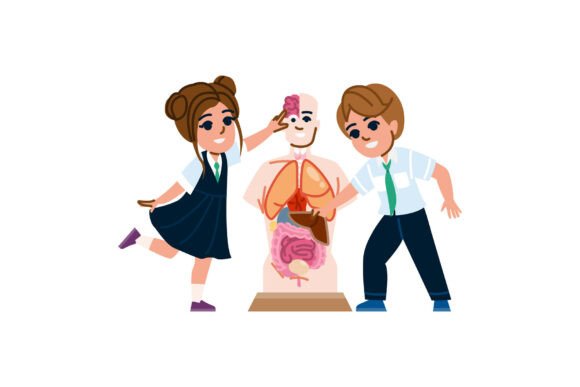
Usability and organization are paramount here. The activities must be accessible to participants of varying skill levels. A flat cartoon illustration style, often used in modern educational vectors, can help simplify complex instructions and make the content more engaging for a broad audience. This visual clarity reduces friction, allowing participants to focus on the activity itself rather than deciphering confusing guidelines. Consistency in scheduling and delivery ensures that the habits formed during this phase are sustainable.
Review and Long-Term Optimization
After the completion of a specific task or cycle, the review phase allows for reflection and adjustment. This is where the true value of the Wellness Physical Education School model becomes apparent. Unlike traditional models that might end at the final score or grade, this approach looks at long-term impact. Did the participants develop better coping mechanisms? Did their physical health improve? How did their character traits evolve?
Data collected during this phase informs future decisions. It helps identify what worked, what didn't, and where adjustments are needed for the next iteration. This feedback loop ensures that the program remains relevant and effective over time. It also reinforces the idea that wellness is a journey, not a destination, encouraging continuous improvement and lifelong learning.
Practical Implementation Strategies
Translating the theoretical framework of a Wellness Physical Education School into practice requires careful consideration of several factors. From resource allocation to stakeholder engagement, each element plays a role in the overall success of the initiative.
- Resource Allocation: Ensure that sufficient time, budget, and space are dedicated to wellness activities. This includes investing in quality equipment and hiring trained personnel who understand the holistic nature of the program.
- Cultural Alignment: Foster an environment where wellness is valued and encouraged. Leadership must model these behaviors to set the tone for the entire organization or school.
- Visual Communication: Utilize clear, engaging visuals like people flat cartoon illustrations to convey messages effectively. These assets can be used in presentations, handouts, and digital platforms to reinforce key concepts.
- Flexibility: Be prepared to adapt the program based on feedback and changing circumstances. Rigid adherence to a plan without room for modification can lead to disengagement.
Leveraging Tools and Assets
In today's digital age, the integration of technology and design assets is crucial. Vector graphics, for instance, offer scalability and clarity, making them ideal for creating instructional materials that look good on any device. When designing a Wellness Physical Education School program, consider using these assets to create consistent branding across all touchpoints. This consistency helps build trust and recognition among participants.
Furthermore, digital platforms can facilitate communication and tracking. Apps and online portals can allow participants to monitor their progress, access resources, and connect with peers. This creates a supportive community that extends beyond the physical classroom or gym. By combining physical activities with digital tools, the program becomes more comprehensive and accessible.
Outcomes and Measurable Impact
The ultimate goal of implementing a Wellness Physical Education School model is to achieve measurable improvements in the lives of participants. These outcomes extend far beyond physical fitness metrics. They include enhanced mental health, improved academic or professional performance, stronger interpersonal relationships, and a greater sense of purpose.
For educators and business leaders, these results translate into reduced absenteeism, higher engagement levels, and a more resilient workforce or student body. The investment in wellness pays dividends in the form of increased productivity and innovation. Moreover, the emphasis on character development fosters a culture of integrity and responsibility, which is invaluable in any setting.
By adopting this holistic approach, organizations can create a legacy of health and well-being that benefits generations to come. The Wellness Physical Education School is not just a program; it is a philosophy that empowers individuals to reach their full potential. As we continue to navigate an increasingly complex world, the need for such integrated solutions has never been greater. Embracing this model allows us to build stronger, healthier, and more capable communities.